MOSCOW (Reuters) -A Russian Soyuz MS-28 spacecraft with two Russian cosmonauts and one NASA astronaut on board successfully docked with the International Space Station on Thursday, Russian space agency Roscosmos said.
But the agency later reported that the launch pad at the Baikonur Cosmodrome in Kazakhstan had sustained damage from the launch. It said the damage would be quickly repaired.
The Soyuz 2.1a rocket lifted off from the Baikonur Cosmodrome at 12:28 p.m. Moscow time (0928 GMT).
Late on Thursday, Russian news agencies quoted Roscosmos as saying the launch had taken place without incident, but damage was observed after an inspection of the launch area.
"Damage to a number of elements of the launch pad was detected. An assessment of the state of the launch complex is being conducted now," the agencies quoted Roscosmos as saying.
"All the necessary reserve elements are there to restore it and the damage will be eliminated very soon."
It said the crew was on board the station and in good health.
(Reporting by Anastasia Lyrchikova; Writing by Marina Bobrova; Editing by Andrew Osborn, Ron Popeski and Bill Berkrot)
LATEST POSTS
- 1
 Grasping Wrongdoings and Crimes: A Correlation
 - 2Revvity says it will exceed 2025 profit forecast range
- 3Step by step instructions to Show Children the Significance of Appropriate Handshaking
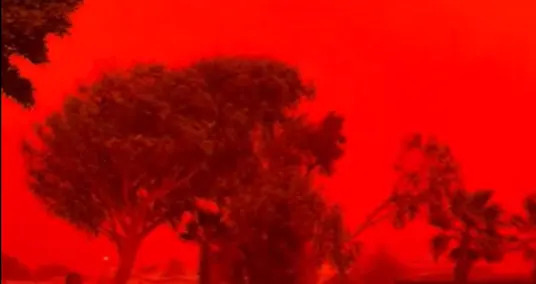
- 4Cyclone Narelle turns Australian skies blood red in ‘apocalyptic’ scenes
- 5Pedal Power: Divulging Well known Bike Brands for Each Cyclist



- Ukrainian drones hit all three Baltic States − did Russia redirect them?
- NASA chief Jared Isaacman says Texas may get a moonship, not space shuttle Discovery
- Instructions to Pick the Best Course for Your Next Waterway Voyage: Objections, Views, and Social Encounters
- Bonk.fun’s April Fools Joke Targets Israel, Sparks Debate
- Social Skylines d: A Survey of \Inside and out Social Experiences\ Language Learning Book
- Over 250,000 cases of shredded cheese recalled over possible metal fragments
- Ways to track down the Right Criminal Legal counselor
- Instructions to Pick the Right Gold Speculation Procedure: Exploring the Market
- Quantum Computing’s Next Major Breakthroughs Could Come From Australia