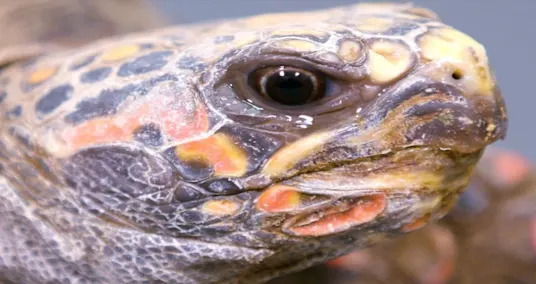
The radiated tortoise is one of the most striking reptiles on Earth, yet it is now facing a serious threat to its survival. Found only in the dry southern forests of Madagascar, this species has experienced a dramatic population decline over the past decade. Experts estimate that its numbers have dropped by nearly half, raising urgent concerns among conservationists. Known for its beautiful shell with bright yellow star patterns, the radiated tortoise is both visually unique and biologically remarkable. Its domed shell is not just protective but also sensitive, containing nerves and blood vessels that allow it to feel touch. These tortoises are also known for their exceptional longevity, with some individuals living well beyond a century. One recorded tortoise even reached an estimated age of 188 years, highlighting the species' long life cycle and slow reproduction rate. However, these same traits also make recovery from population loss extremely difficult, increasing the risk of extinction if current trends continue.
The primary drivers behind the decline of the radiated tortoise are human activities, particularly hunting and illegal trade. In parts of Madagascar, the tortoise is hunted for its meat, which is considered a delicacy despite legal protections. At the same time, its beautifully patterned shell has made it highly desirable in the illegal pet market. Conservation groups estimate that hundreds of thousands of these tortoises are removed from the wild each year, a rate that the population cannot sustain. The combination of poaching and trafficking has devastated natural populations and disrupted ecosystems where the species plays an important role. Without immediate intervention, experts warn that the radiated tortoise could face extinction within the next two decades. Conservation efforts are underway, focusing on habitat protection, stricter law enforcement, and raising awareness about the consequences of wildlife exploitation. The story of the radiated tortoise serves as a powerful reminder of how quickly human actions can threaten even the most resilient species. Protecting it will require global attention and long term commitment.
LATEST POSTS
- 1
 Exemplary Fragrances: A Manual for Notorious Scents
 - 2NAFFIC, AWARE claim first China-EU DPP for textiles
- 3EU health regulator urges immediate vaccinations amid early surge in flu cases
- 4An Excursion Through Renowned Western Network programs
- 5Putin critic gets six years in penal colony, vows hunger strike




- Arrow Exploration brings new Colombian oil well on stream ahead of schedule and under budget
- Russian strikes on Ukraine kill 5 people and wound 30 more
- Artemis 2 astronaut Victor Glover delivers inspiring Easter message on the way to the moon (video)
- Kaiser Permanente affiliates to pay $556 million to resolve US claims alleging Medicare fraud
- 2 bright planets light up April evenings — here's where and when to look
- The wolf supermoon will kick off 2026 with a celestial bang. Here's when and how to see it.
- Astonishing interstellar comet captured in new images by NASA Mars missions
- From Overpowered to Coordinated: Individual Accounts of Cleaning up
- Trump awarded 1st FIFA Peace Prize by Gianni Infantino at 2026 World Cup draw